
Conversations with Dr. Felitti

More than 25 years ago, Dr. Vincent Felitti helped lead the landmark CDC–Kaiser Permanente ACE Study, revealing important connections between childhood adversity and health throughout life. His groundbreaking work helped transform how we understand the lasting effects of childhood experiences and laid the foundation for decades of research, prevention, and trauma-informed care.
California: From Research to Action
Decades of research have changed how we understand childhood adversity. California has helped put that knowledge into action.
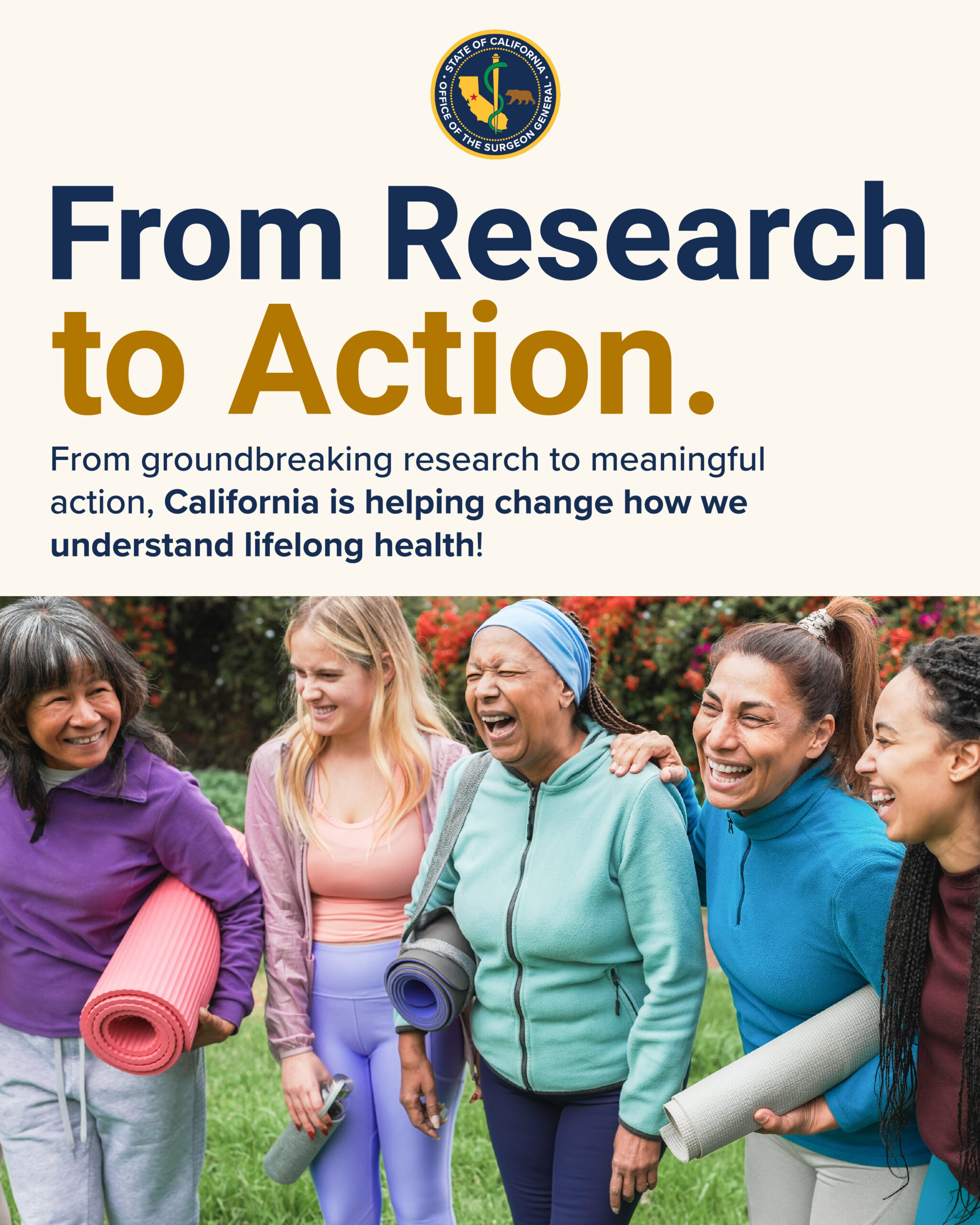
Building on this groundbreaking research, and under the leadership of Governor Gavin Newsom and California’s first Surgeon General, Dr. Nadine Burke Harris, California emerged as a national leader in addressing Adverse Childhood Experiences (ACEs).
Through the first-in-the-nation ACEs Aware initiative, California has advanced training for health care professionals on the science of ACEs, trauma-informed care, and the importance of screening children and adults for childhood adversity. Since 2020, Medi-Cal health care teams have conducted more than 6 million ACE screenings for over 3 million members, helping providers better understand how childhood adversity may affect lifelong health. These efforts have helped integrate ACEs screening into routine health care, creating opportunities for early identification, prevention, and support to improve lifelong health and well-being.
Under the leadership of Dr. Diana E. Ramos, the Office continues to build on this foundation by advancing ACEs awareness, prevention, and education through initiatives such as Live Beyond and Safe Spaces. This ongoing work emphasizes the importance of supportive relationships, positive childhood experiences, and strengthening families and communities to promote healing and healthier futures for generations to come.
Together, these efforts reflect California’s commitment to moving beyond awareness and screening toward prevention, supportive relationships, and access to care that promote healing and healthier futures for individuals and families.
WHY IT MATTERS
Adverse Childhood Experiences (ACEs), including abuse, neglect, and challenges within the home, can affect physical and mental health well into adulthood. For parents and caregivers, understanding these experiences can be an important step toward healing, strengthening relationships, and creating healthier environments for children.

Understanding Our Past. Building Healthier Futures.
Hear directly from Dr. Felitti as he reflects on the research that changed how we understand ACEs, California’s progress to address early childhood adversity, and opportunities to improve health for future generations.
Understanding Our Past
Reducing Costs
Asking Questions
Supporting Parents
Changing the Future
Supporting Caregivers
LEARN MORE
The effects of childhood adversity can extend into adulthood, influencing:
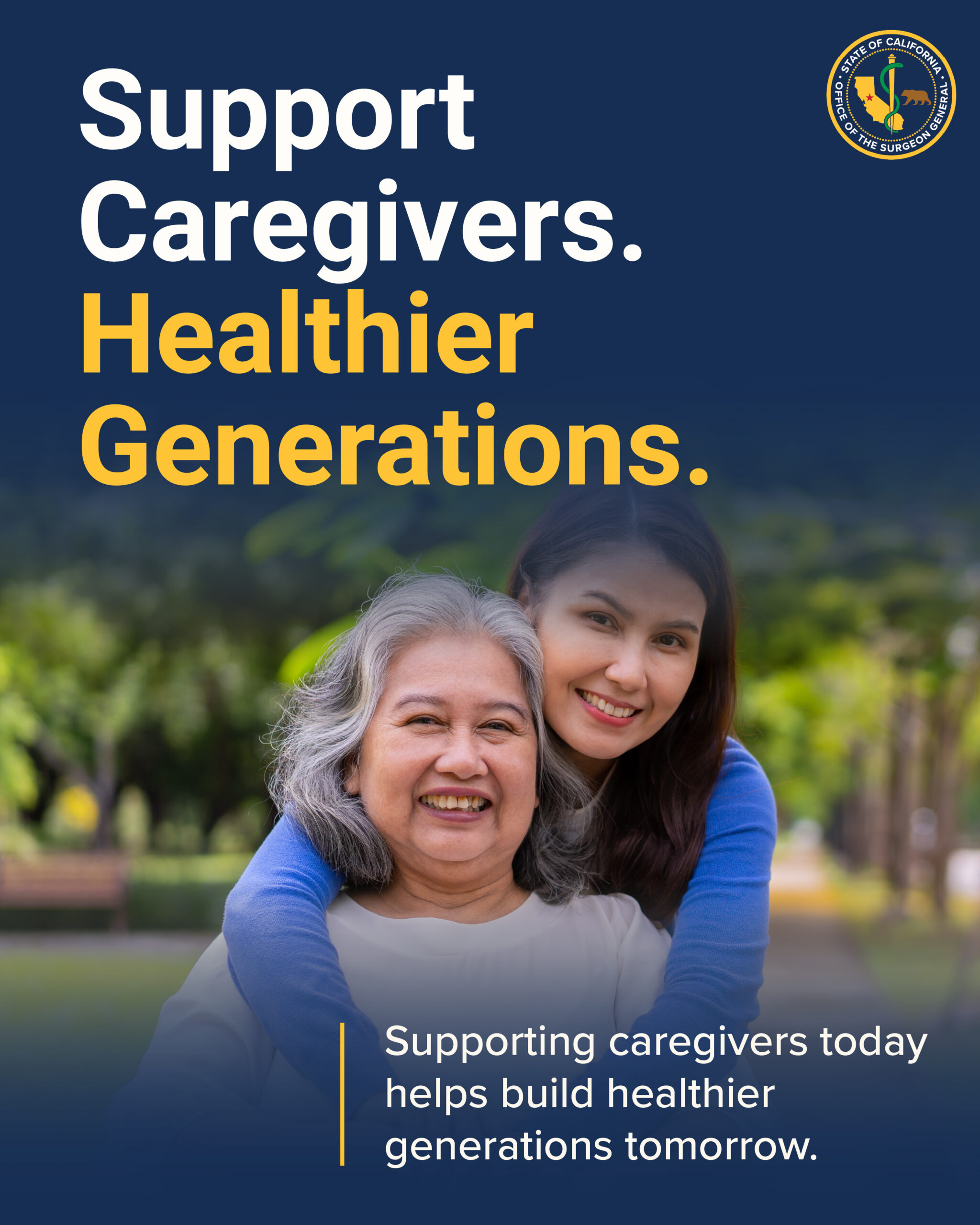
Recognizing ACEs in adults can help health care providers better understand individual experiences and support parents and caregivers as they care for themselves and others.
National Family Caregivers Month reminds us that caregivers need care, too. Supporting their physical, mental, and emotional well-being helps strengthen families and create healthier environments for children. Learn more about the supporting the caregivers in your life in California’s Aging Resource Guide.
Positive Childhood Experiences
LEARN MORE
Childhood adversity does NOT determine a person’s future.
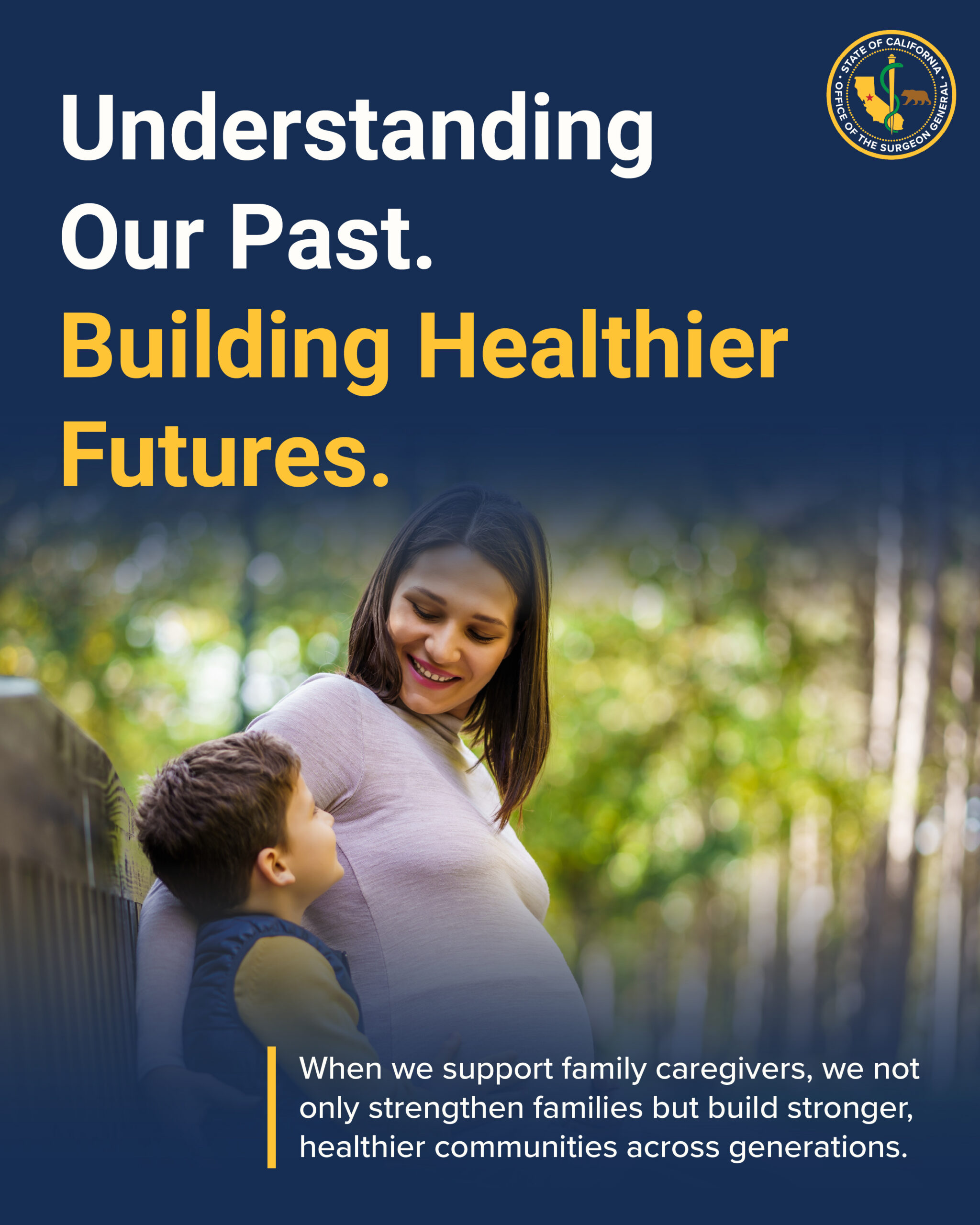
PCEs can help protect against the effects of adversity and strengthen resilience, such as having a trusted adult, feeling safe and supported, and building meaningful relationships.
By supporting caregivers and creating more opportunities for positive experiences, we can help interrupt intergenerational cycles of adversity in children and youth and build healthier futures.